Opening a beauty school typically costs $100,000 to $500,000, and the costs most owners leave out are the regulatory ones that decide whether the school can legally open and get federal financial aid. Beauty school startup costs fall into three tiers:
Leave Tier 1 out, and you’ll find the gap in front of a lender or during a pre-accreditation review, when it’s most expensive to fix.
This guide is for founders and new owners planning a cosmetology, esthetics, or barber school who need a lender-ready budget. If your school is already open and working toward accreditation, go to our NACCAS accreditation roadmap.
Here is the full picture, organized by tier. Fixed costs must be funded before you open. Flexible and Variable costs can be phased in and trimmed.
The point most guides skip: roughly a quarter to nearly a third of your opening budget is Tier 1. That is exactly the part a facility-and-equipment budget leaves out. These percentages are our arithmetic on the ranges above, not a published benchmark.
You can’t skip, defer, or substitute a cheaper option for these without putting the school’s legal standing at risk. If an application fails, the money is not refunded.
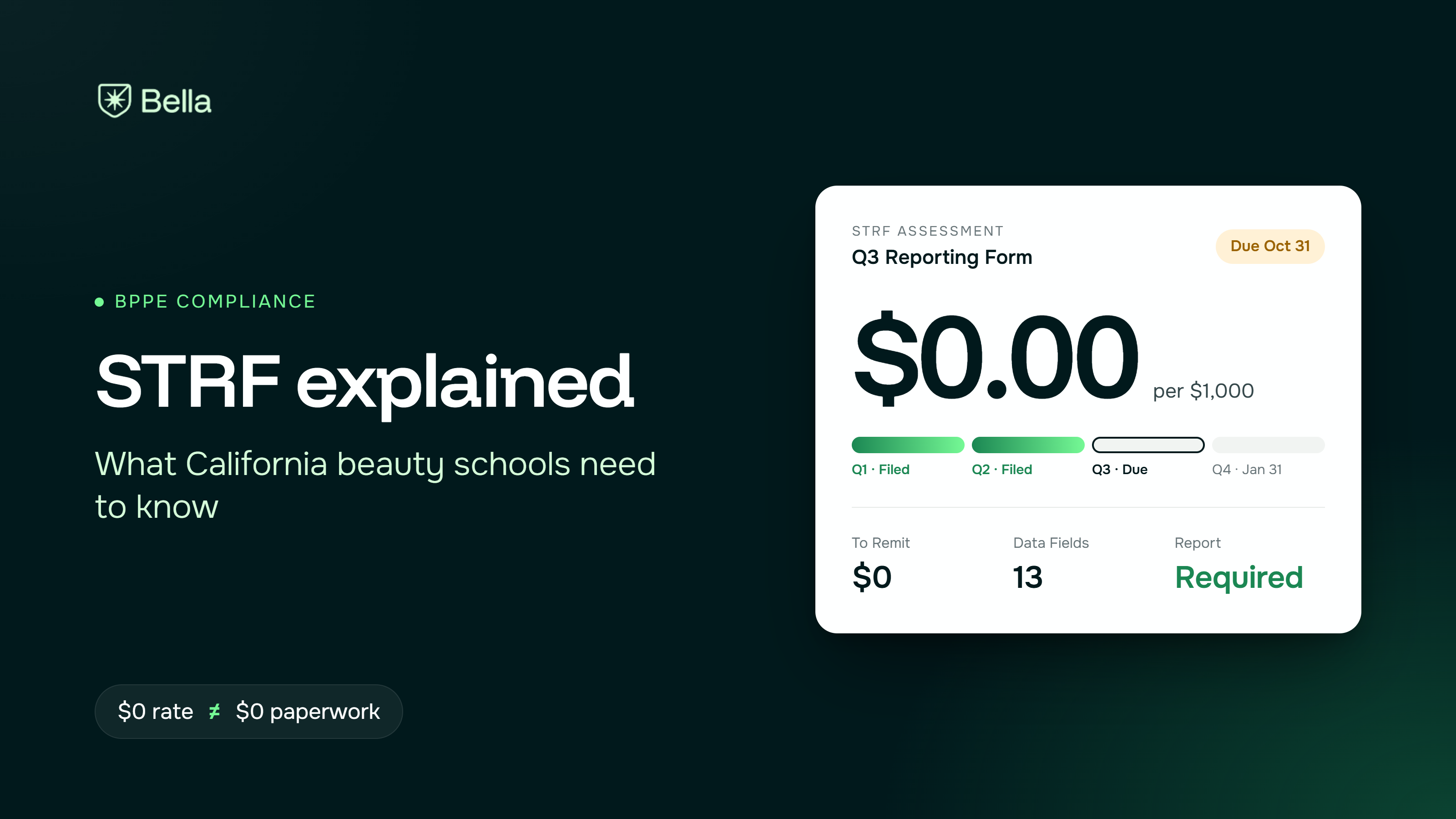
State board licensing. Application fees often exceed $2,000, depending on your state. Many states also require a surety bond as a condition of licensure. In Texas, the bond must be at least $50,000.
NACCAS accreditation. For schools that plan to offer federal financial aid, NACCAS accreditation is the path to Title IV eligibility. You can’t apply until after your first student graduates. Budget for the initial application fee, attending the required NACCAS workshop, and the second site visit. These costs land later than most owners expect, but they belong in the budget from day one.
Administrative infrastructure for Title IV. Federal standards require attendance, clock hours, and financial aid records that hold up in an audit. In our view, that means a student information system (SIS) built for this from day one, not a spreadsheet you plan to replace later.
Underfunding Tier 1 doesn’t just make things inconvenient. It threatens accreditation, Title IV eligibility, and the school’s right to operate.
These costs are large, but you decide how large.
Facility. Lease and build-out costs vary by market. What doesn’t vary is that state board inspectors and NACCAS site visitors will evaluate your space. If it doesn’t meet the square footage required per student station, you’ll pay for remediation or run at reduced capacity while you wait for approval. Confirm the requirements before you choose a space.
Equipment. Student stations, shampoo bowls, styling chairs, and the dispensary are what most owners plan for first. Buying used equipment is a legitimate way to save here, with no regulatory consequence. That makes equipment the safest place in the budget to cut.
Program scope. The programs you launch with set your equipment list and your clock-hour requirements. Those in turn drive how much space you need and how many staff. Opening with a focused set of programs and expanding later lowers both cost and complexity.
Initial marketing, hiring timelines, and working capital reserves are the most flexible costs in the budget. Owners tend to over-plan these and under-plan Tier 1.
The constraint that matters most here is the NACCAS timeline. If you sign a lease and start spending before planning for 18 to 24 months without Title IV, your cash flow projections won’t hold.
At $750 per month, a student information system costs $750 × 24 = $18,000 across a 24-month runway to Title IV eligibility. That money has to come from working capital, not tuition financed by federal aid.
Whether you open as a for-profit or a nonprofit changes your costs, your funding options, and which federal rules apply to you. Most startup cost guides don’t compare the two.
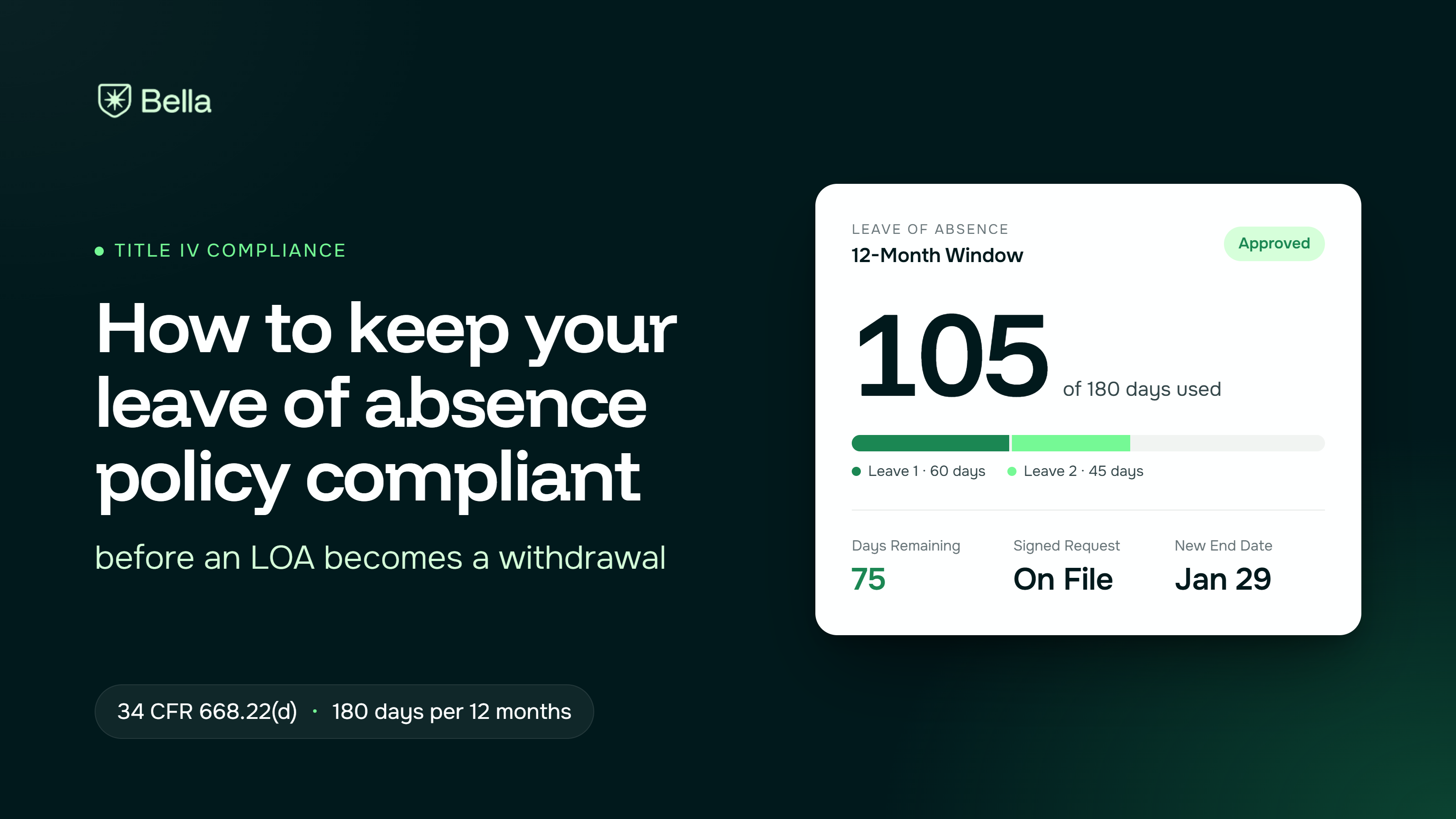
The 90/10 rule bars a for-profit school from getting more than 90% of its revenue from Title IV federal student aid. Owners who learn about it late have usually already set an enrollment mix, tuition pricing, and marketing strategy that ignore it. Breaking the rule puts Title IV eligibility at risk, which for most beauty school students means losing the way they pay tuition. For the full rule, see our guide to beauty school financial aid and the 90/10 rule.
If your funding plan relies on grants, or you expect most students to depend on Title IV, look seriously at the nonprofit structure before you form a legal entity.
These ranges are starting points, not quotes. Three caveats apply:
Confirm these before you sign anything:
For what your administrative setup needs to support once you open, use our beauty school compliance checklist.
Bella is an AI school management system for beauty and barber schools. It starts at $750 per month, with setup, training, and data migration included. That gives you a concrete SIS line for your financial model. For a full product walkthrough, see our beauty and barber school management software page.
The gap between a founder’s first budget and a lender-ready plan is almost always the regulatory tier. A budget that includes NACCAS fees, a state board surety bond, and a funded SIS shows a lender you understand how a beauty school actually operates. Call your state board this week and get the real numbers for Tier 1.
If you want a concrete SIS line for your financial model, book a Bella demo.
Opening a cosmetology school typically costs $100,000 to $500,000 or more, depending on market, program type, and accreditation path. Owners who budget only for facility and equipment often miss state board fees, surety bonds, NACCAS costs, and administrative infrastructure. Those can add up to roughly a quarter to a third of the total.
NACCAS accreditation takes an estimated 18 to 24 months from first application to full accreditation and Title IV eligibility. A beauty school can’t apply until after its first student graduates, so accreditation planning should start before a facility is chosen.
No. A beauty school can open and enroll students without Title IV eligibility. However, most beauty school students depend on federal financial aid, so a school without it has a significant enrollment disadvantage and needs another way for students to pay tuition.
The 90/10 rule is a federal regulation that bars for-profit postsecondary schools, including for-profit cosmetology schools, from getting more than 90% of their revenue from Title IV federal student aid. Breaking the rule puts the school’s Title IV eligibility at risk. Nonprofit schools are not subject to it.
Frequently asked questions ordered by popularity. Remember that if the visitor has not committed to the call to action, they may still have questions (doubts) that can be answered.
Not at all. We’ll move your data and guide your team. You’ll be ready to go in days, not weeks.
Yes. Bella is built for vocational schools and stays updated with state and federal rules.
Bella is made to be simple. If you can check email, you can use it. And we’re here to help whenever you need.
It helps spot missing info, flags risks early, and reminds you of what’s due—without you having to dig.
Yes. Pricing scales with your size, and most schools save time and money within the first month.
Absolutely. Bella uses encrypted, secure hosting and is fully FERPA compliant.
Tips, checklists, and insights for school owners and admins, written in plain language, not tech speak.